Introduction
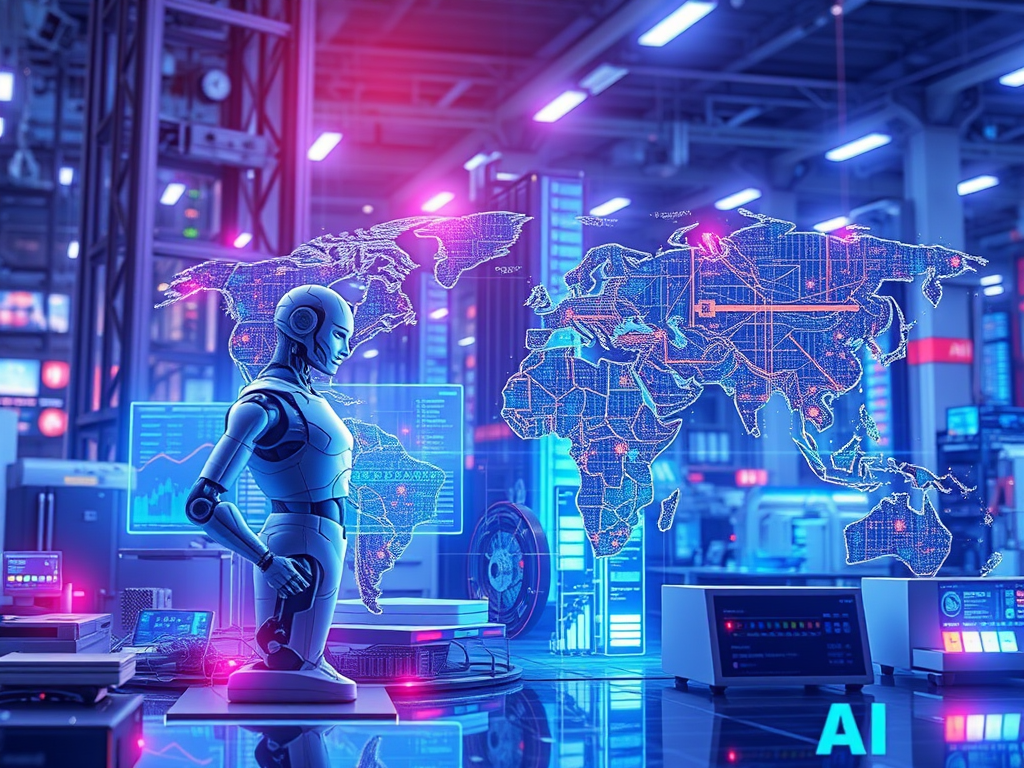
The rise of automation and artificial intelligence (AI) is transforming global markets, reshaping industries, labor markets, and economic structures. As businesses integrate AI-driven technologies, the effects ripple through supply chains, investment strategies, and workforce dynamics. This article explores the impact of automation and AI on global markets and what the future holds for economies worldwide.
1. Increased Efficiency and Productivity
AI and automation enhance productivity across various industries:
- Manufacturing: Robotics and AI-driven processes streamline production and reduce costs.
- Financial Services: AI algorithms optimize trading, risk assessment, and fraud detection.
- Retail and E-commerce: AI-driven customer insights and automation improve supply chain efficiency.
- Healthcare: AI assists in diagnostics, personalized treatments, and administrative automation.
2. Disruption of Traditional Jobs and Labor Markets
While AI creates new opportunities, it also leads to job displacement in some sectors:
- Automation in Manufacturing: AI-powered robotics replace manual labor in factories.
- AI in Customer Service: Chatbots and virtual assistants reduce demand for call center workers.
- Shifts in Workforce Demand: Growth in AI-related fields increases demand for skilled labor in tech and data science.
3. AI’s Impact on Global Trade and Supply Chains
AI-driven automation influences international trade and supply chains:
- Smart Logistics: AI optimizes shipping routes and inventory management.
- Reshoring of Production: Advanced robotics reduce labor cost advantages in offshoring.
- Data-Driven Decision Making: AI-driven analytics improve market forecasting and risk management.
4. Financial Markets and Investment Strategies
AI is reshaping investment and financial markets:
- Algorithmic Trading: AI-powered trading strategies execute high-frequency transactions with precision.
- Market Predictions: Machine learning models analyze vast datasets for investment insights.
- Regulatory Challenges: AI-driven financial markets require updated oversight to manage risks effectively.
5. Challenges and Ethical Considerations
Despite its benefits, AI and automation present challenges:
- Economic Inequality: AI may exacerbate wealth gaps by concentrating economic power in tech-centric economies.
- Regulatory and Ethical Concerns: Ensuring fair AI deployment requires clear policies and accountability.
- Job Transition Strategies: Governments and businesses must invest in reskilling programs to support workforce adaptation.
6. The Future of AI in Global Markets
As AI continues to advance, its role in global markets will expand:
- AI-Powered Innovation: Emerging industries will be driven by AI, from autonomous transportation to personalized medicine.
- Collaborative AI Models: AI will enhance cross-border business collaboration and data-sharing.
- Sustainable AI Solutions: AI will contribute to green technology, optimizing resource use and reducing environmental impact.
Conclusion
Automation and AI are reshaping global markets by driving efficiency, disrupting labor markets, and transforming trade and investment strategies. While these technologies present significant economic opportunities, proactive policies and responsible implementation are essential to ensure inclusive growth and equitable benefits. As AI continues to evolve, businesses and governments must navigate its impact carefully to maximize its potential for economic development.
 Chat GPT Scholar
Leave a comment